Elliott Wave International Master Theme.
-
What is “Emotional Discipline” in Trading? Watch to Develop Yours.
Learn the core principles behind Dick Diamond’s remarkable 48-year trading career in this free 8-minute lesson from Module 1 of Trade Small, Win Often. Discover how he identified high-probability “80/20” trades — and why he believed emotional discipline was the true key to consistent long-term success.
-

For the Love of the … $$$!
Roll Tide! More like, rolling in the dough. College football athletes continue to score big off the field.
-

All Revved Up with Revvity (RVTY)
See how Flash Services used EWAVES to identify a developing Elliott wave opportunity in RVTY, manage risk in real time with rising cancel levels, and track a roughly +16% move in less than a week.
-
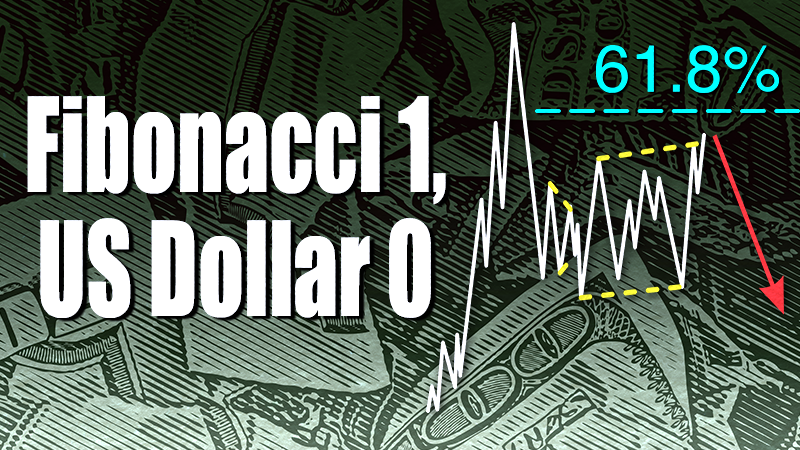
Fibonacci 1, US Dollar 0
In January 2025, while many expected continued U.S. dollar strength, Elliott wave analysis and Fibonacci resistance pointed to a major reversal zone ahead. See how Global Rates & Money Flows anticipated the turn before it happened.
-

Death Becomes Her?
Make no BONES about it: Modern beauty standards have taken thinspiration to a dangerous new level.
-
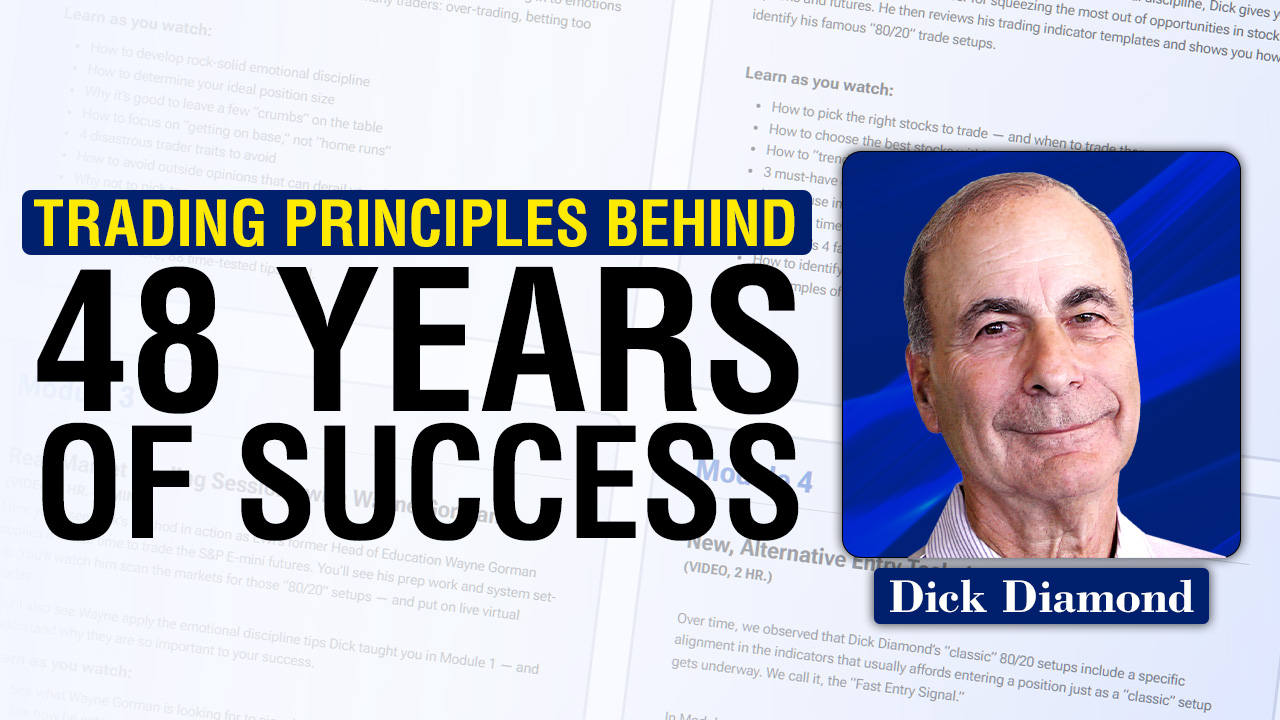
Trading Principles That Helped Dick Diamond be a Successful Trader for 48 Years
In this free 10-minute clip from Module 1 of Trade Small, Win Often: The Dick Diamond Method of Trading for a Living, Diamond shares the trading principles that helped him build a successful career spanning nearly five decades.
-

Catching the Expanded Flat in Xiaomi Corp
To a seasoned Elliottician, the Expanded Flat pattern jumps off the page and tells you what’s likely next. Here’s a practical example in tech stock Xiaomi Corp.
-

How to Spot Elliott Wave Extensions
In this lesson, Trader’s Classroom instructor Robert Kelley walks through how to identify extended waves in real-time price action and why recognizing them can help you understand trend strength, momentum and wave structure.
-

What If You Could Identify a Breakout As It Begins?
See how Currencies Pro Services identified a completed Elliott wave correction and AUD/JPY breakout in real time. This forecast highlights how ending diagonals can signal trend exhaustion and help anticipate major moves as they begin.
-
What’s Next in the U.S. “Cold War” with China for Global Influence?
The key to the question in the headline is to recognize the end of the Supercycle in U.S. assets, and the start of a Supercycle in China for emerging market assets.
Got any book recommendations?