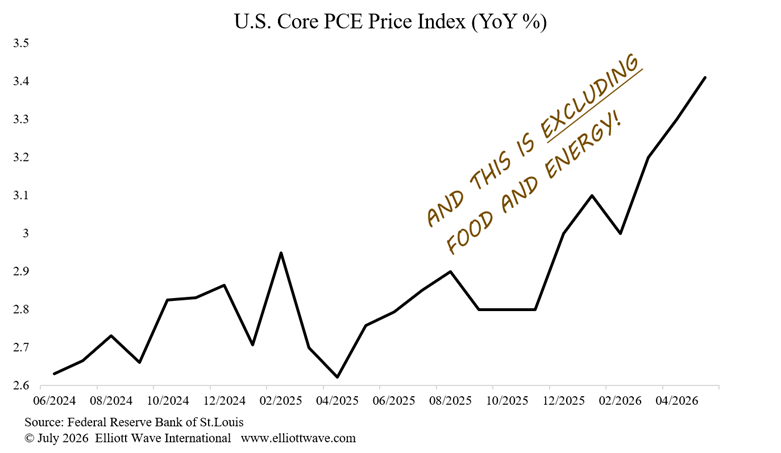
The Bureau of Economic Analysis (BEA) in the U.S., which is responsible for producing a range of economic statistics, is making changes to how it calculates prices in some specific areas. The expected effect will be to lower the Federal Reserve’s favorite measurement of consumer price inflation.
Check out Head of Global Research Murray Gunn’s commentary on this topic from the July 31 issue of Global Rates & Money Flows Daily Interest:
Call Me A Cynic
But…
Do they think we are idiots?
Under the guidance of the delightfully and perhaps appropriately named BEA’s Chief Economist, Dr. Fixler, changes are being made to items such as computer software and accessories as well as portfolio management fees. Guess what? These prices have been rising particularly strongly recently. Once the new calculation method is in place, from September, it will have the effect of dampening the Core Personal Consumer Expenditures (PCE) Price Index. It just so happens that the Fed is swithering (Scottish for “hesitating, vacillating, perplexed” – Ed.) about whether to raise interest rates in the face of the index accelerating this year.
The current U.S. administration did not appoint the present head of the BEA and so there is no suggestion of political pressure being put on the organization to make these changes.
And if you believe that, I’ve got a bridge to sell you.
If Washington can change the way inflation is measured, it may change the headlines — but it won’t change the bond market.
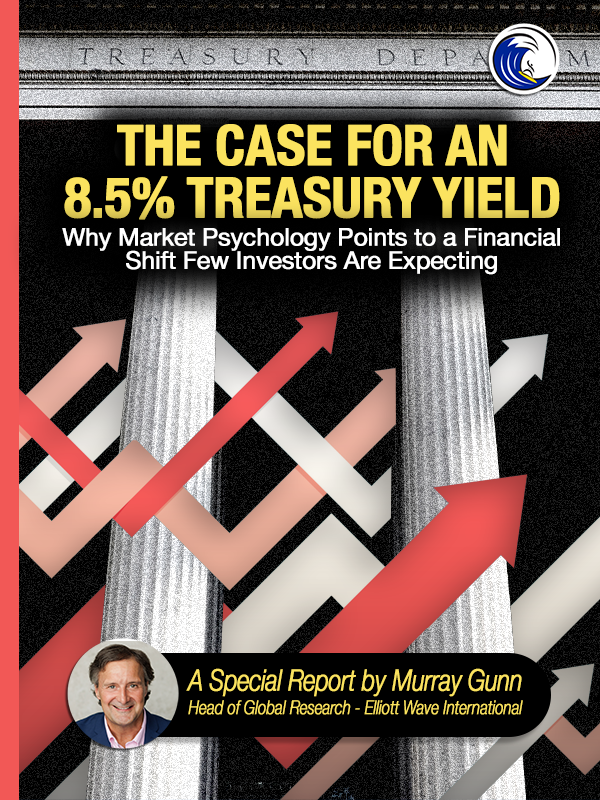
In his special report, The Case for an 8.5% Treasury Yield, Murray lays out why he believes long-term Treasury yields are headed much higher regardless of what the Fed says — or what the latest inflation data appears to show. Discover the evidence behind one of his boldest forecasts and what it could mean for investors.
See 2 ways to read The Case for an 8.5% Treasury Yield: